technology
4 min read
Real-Time Voice Conversion: What It Is and Who Needs It
Explore the world of real-time voice conversion and its applications in streaming, gaming, and business with Vocanel AI.
V
Vocanel Hub
September 7, 2026
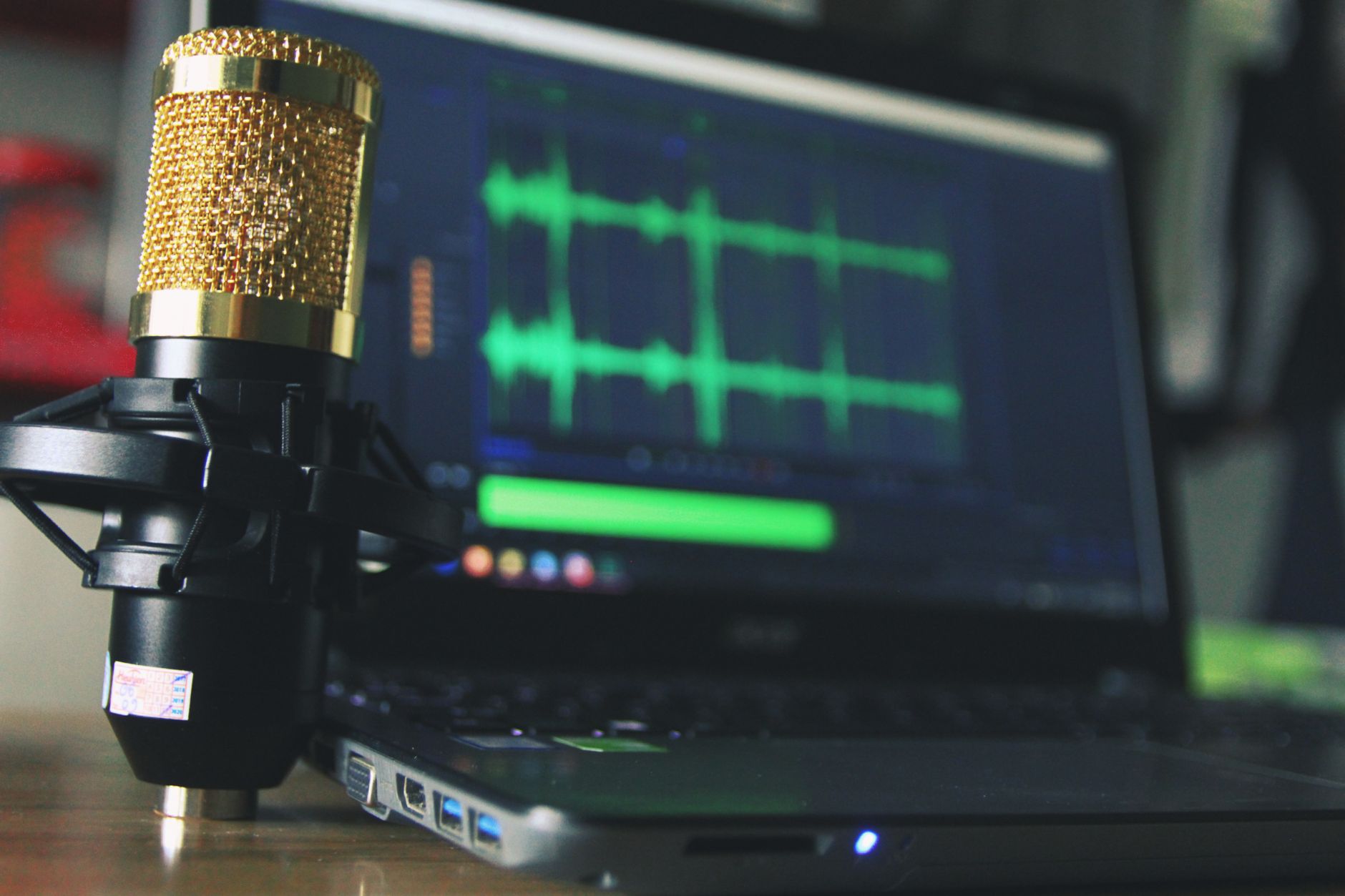
In the ever-evolving landscape of audio technology, real-time voice conversion stands out as a game-changer. This innovative technology allows users to modify their voice in real-time, making it sound like someone else's voice or even transforming it entirely. Whether it’s for gaming, streaming, or business communications, real-time voice conversion has opened doors to endless possibilities. In this article, we will delve deeper into what real-time voice conversion is, how it works, and who can benefit from it, especially in a digital world where audio quality and personal branding are paramount.
WHAT IS REAL-TIME VOICE CONVERSION?
Real-time voice conversion is a technology that alters a speaker's voice in real-time while they are speaking. Using advanced algorithms and AI technology, it modifies the pitch, tone, and characteristics of the voice, enabling users to sound like different people or even create entirely new voices. This technology is particularly useful in various domains, including gaming, streaming, and live audio applications. It ensures that the voice remains intelligible and natural, which is crucial for engaging audiences effectively. With platforms like Vocanel AI, users can easily access these sophisticated tools without needing extensive technical knowledge.
APPLICATIONS IN STREAMING AND GAMING
The gaming and streaming industries are perhaps the biggest benefactors of real-time voice conversion. Gamers often use voice changers to enhance their gaming experience, creating unique personas that can add fun and creativity to their gameplay. Imagine a streamer seamlessly switching from their natural voice to a comical character voice during a live session, captivating their audience and making the experience more entertaining. Real-time voice conversion not only allows for fun transformations but also serves practical purposes, such as maintaining anonymity or creating distinct characters in role-playing games. The ability to incorporate various voice types can also help gamers stand out in a competitive landscape, making their streams more memorable and engaging.
BENEFITS FOR MUSICIANS AND CONTENT CREATORS
Musicians and content creators can significantly benefit from real-time voice conversion as well. For musicians, it opens up a world of creative possibilities—allowing them to experiment with different vocal styles and effects during live performances. By using this technology, they can create rich, layered soundscapes that captivate their audience. For content creators, incorporating various voice types can add depth to storytelling, making videos or podcasts more engaging. With tools like Vocanel AI, creators can easily switch between voices, enhancing their storytelling capabilities and keeping their audience engaged from start to finish.
BUSINESS APPLICATIONS
Beyond entertainment, real-time voice conversion has practical applications in the business sector too. Companies that engage in virtual meetings and webinars can utilize this technology to ensure their communications are clear and professional. Moreover, businesses can employ voice conversion to tailor messages for specific audiences, enhancing marketing efforts and improving customer engagement. This technology can also be instrumental in creating training materials where different voices can represent various characters or scenarios, making the learning process more interactive and enjoyable. With the rise of remote work, the demand for effective communication tools has never been higher, and real-time voice conversion is well-suited to meet these needs.
CONCLUSION
Real-time voice conversion is more than just a fun gimmick; it is a powerful tool that has the potential to transform how we communicate in various fields. Whether you are a gamer looking to enhance your online persona, a musician wanting to experiment with your sound, or a business professional striving for effective communication, real-time voice conversion can provide valuable advantages. With platforms like Vocanel AI leading the charge in AI voice technology, embracing this innovation is not just a trend but a step toward a more dynamic and engaging audio experience. As we continue to explore the capabilities of this technology, the possibilities seem endless.
WHAT IS REAL-TIME VOICE CONVERSION?
Real-time voice conversion is a technology that alters a speaker's voice in real-time while they are speaking. Using advanced algorithms and AI technology, it modifies the pitch, tone, and characteristics of the voice, enabling users to sound like different people or even create entirely new voices. This technology is particularly useful in various domains, including gaming, streaming, and live audio applications. It ensures that the voice remains intelligible and natural, which is crucial for engaging audiences effectively. With platforms like Vocanel AI, users can easily access these sophisticated tools without needing extensive technical knowledge.
APPLICATIONS IN STREAMING AND GAMING
The gaming and streaming industries are perhaps the biggest benefactors of real-time voice conversion. Gamers often use voice changers to enhance their gaming experience, creating unique personas that can add fun and creativity to their gameplay. Imagine a streamer seamlessly switching from their natural voice to a comical character voice during a live session, captivating their audience and making the experience more entertaining. Real-time voice conversion not only allows for fun transformations but also serves practical purposes, such as maintaining anonymity or creating distinct characters in role-playing games. The ability to incorporate various voice types can also help gamers stand out in a competitive landscape, making their streams more memorable and engaging.
BENEFITS FOR MUSICIANS AND CONTENT CREATORS
Musicians and content creators can significantly benefit from real-time voice conversion as well. For musicians, it opens up a world of creative possibilities—allowing them to experiment with different vocal styles and effects during live performances. By using this technology, they can create rich, layered soundscapes that captivate their audience. For content creators, incorporating various voice types can add depth to storytelling, making videos or podcasts more engaging. With tools like Vocanel AI, creators can easily switch between voices, enhancing their storytelling capabilities and keeping their audience engaged from start to finish.
BUSINESS APPLICATIONS
Beyond entertainment, real-time voice conversion has practical applications in the business sector too. Companies that engage in virtual meetings and webinars can utilize this technology to ensure their communications are clear and professional. Moreover, businesses can employ voice conversion to tailor messages for specific audiences, enhancing marketing efforts and improving customer engagement. This technology can also be instrumental in creating training materials where different voices can represent various characters or scenarios, making the learning process more interactive and enjoyable. With the rise of remote work, the demand for effective communication tools has never been higher, and real-time voice conversion is well-suited to meet these needs.
CONCLUSION
Real-time voice conversion is more than just a fun gimmick; it is a powerful tool that has the potential to transform how we communicate in various fields. Whether you are a gamer looking to enhance your online persona, a musician wanting to experiment with your sound, or a business professional striving for effective communication, real-time voice conversion can provide valuable advantages. With platforms like Vocanel AI leading the charge in AI voice technology, embracing this innovation is not just a trend but a step toward a more dynamic and engaging audio experience. As we continue to explore the capabilities of this technology, the possibilities seem endless.

Comments
No comments yet. Be the first to share your thoughts.
Leave a Comment
Sign in to leave a comment
Join the conversation — it only takes a second.