technology
4 min read
How AI Voice Cloning Works in 2026
Explore the evolution of AI voice cloning in 2026 and discover its impact on creators, developers, and businesses.
V
Vocanel Hub
August 27, 2026
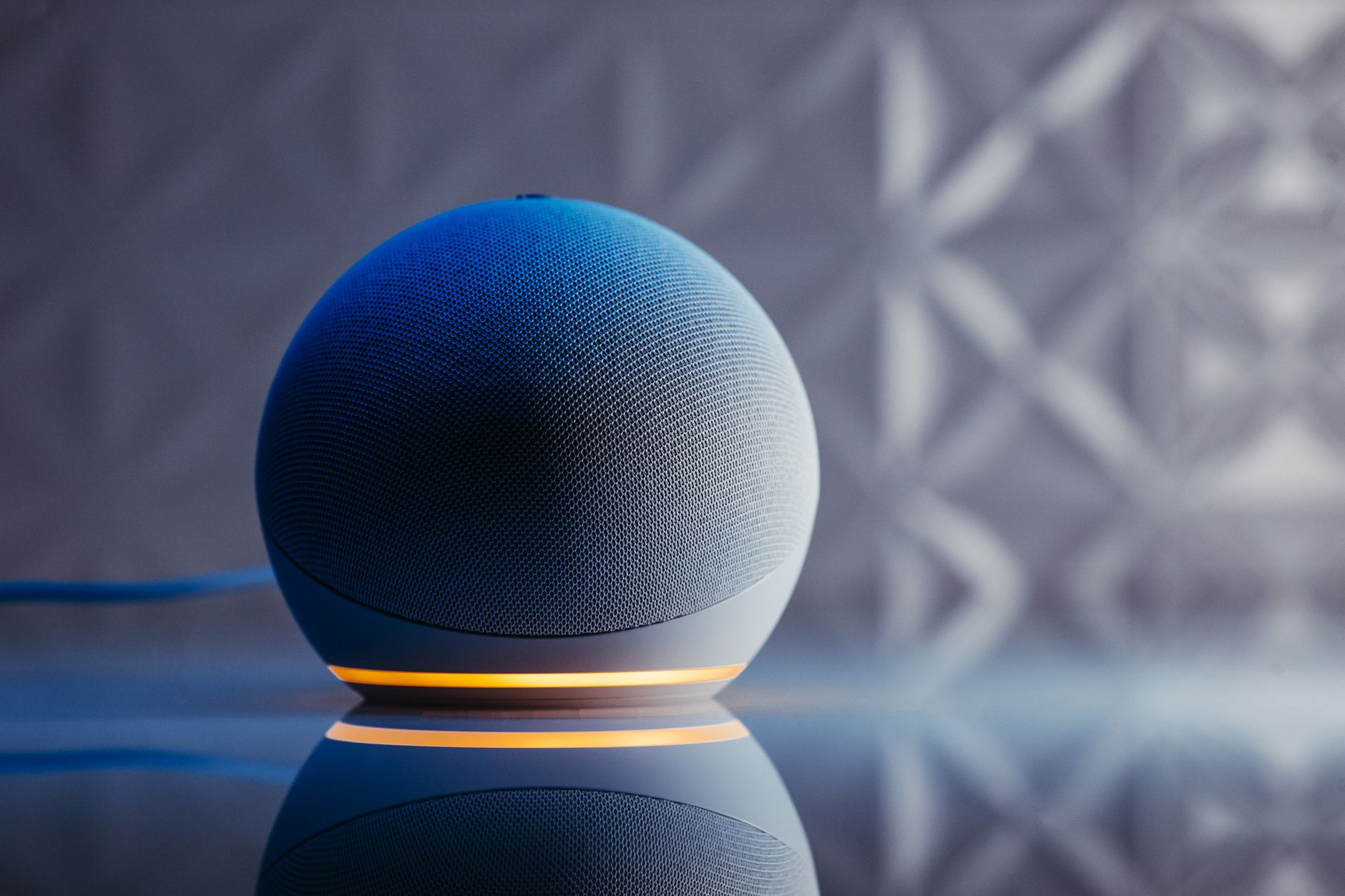
In the rapidly evolving landscape of technology, AI voice cloning has emerged as a groundbreaking innovation. By 2026, the capabilities of voice cloning have reached new heights, driven by advancements in artificial intelligence and neural networks. This technology not only allows for the replication of human voices but also opens up a world of possibilities for creators, game developers, musicians, and businesses. Understanding how AI voice cloning works can help you harness its potential for your projects and endeavors.
UNDERSTANDING VOICE CLONING
Voice cloning is the process of creating a synthetic version of a person’s voice using AI technology. At its core, this process relies on sophisticated neural networks that learn to mimic the unique characteristics of a voice. In 2026, voice cloning is more accessible than ever, thanks to improved algorithms and the availability of robust datasets. These datasets allow AI models to analyze and understand the nuances of speech, including tone, pitch, and inflection. This means that the resulting voice can sound strikingly authentic, making it invaluable for various applications ranging from video game characters to personalized virtual assistants.
THE ROLE OF NEURAL NETWORKS
Neural networks are the backbone of modern AI voice cloning systems. By utilizing deep learning techniques, these networks can efficiently process vast amounts of audio data to generate high-quality voice outputs. In 2026, advancements in neural network architectures have resulted in models that can learn from fewer samples while maintaining high fidelity. This is particularly beneficial for developers and creators who may only have a limited amount of audio recordings to work with. As a result, users can create custom voices without the need for extensive voice samples, making the technology more versatile and user-friendly. For instance, platforms like Vocanel AI leverage these advancements to offer seamless voice cloning solutions tailored to specific needs.
VOCODERS AND WAVEFORM SYNTHESIS
Another critical component of AI voice cloning is the vocoder, which plays a crucial role in transforming the synthesized voice output into a natural-sounding waveform. In 2026, vocoders have evolved to incorporate advanced waveform synthesis techniques that enhance the quality and realism of the generated voice. This technology enables the cloning of not just the words spoken, but also the emotional undertones and expressions that characterize human speech. The combination of neural networks and cutting-edge vocoding techniques ensures that the synthetic voices produced are not only accurate but also emotionally resonant, allowing for a more immersive experience in applications like gaming, audio storytelling, and virtual reality.
APPLICATIONS OF AI VOICE CLONING
The applications of AI voice cloning are vast and varied, impacting multiple industries. For creators, the ability to generate unique voiceovers on demand can save time and resources, enabling them to focus on other aspects of their projects. Game developers can create dynamic characters with distinct voices, enhancing the player’s experience through deeper immersion. Musicians can experiment with new vocal styles and sounds, pushing the boundaries of creativity. Businesses can utilize AI voice technology for customer service, creating personalized interactions that enhance user engagement. With platforms like Vocanel AI, these possibilities are becoming more accessible, allowing users to explore innovative ways to incorporate AI voice cloning into their workflows.
CONCLUSION
As we look towards the future, the advancements in AI voice cloning demonstrated in 2026 signify just the beginning of what’s possible with this technology. With neural networks driving improvements in voice replication, enhanced vocoding techniques, and a growing array of applications, the landscape for creators, developers, and businesses is expanding. Embracing AI voice cloning not only offers practical benefits but also opens up creative avenues that were previously unimaginable. Whether you're looking to develop realistic characters for a video game or create unique music tracks, understanding how AI voice cloning works can provide you with the tools to innovate and captivate your audience.
UNDERSTANDING VOICE CLONING
Voice cloning is the process of creating a synthetic version of a person’s voice using AI technology. At its core, this process relies on sophisticated neural networks that learn to mimic the unique characteristics of a voice. In 2026, voice cloning is more accessible than ever, thanks to improved algorithms and the availability of robust datasets. These datasets allow AI models to analyze and understand the nuances of speech, including tone, pitch, and inflection. This means that the resulting voice can sound strikingly authentic, making it invaluable for various applications ranging from video game characters to personalized virtual assistants.
THE ROLE OF NEURAL NETWORKS
Neural networks are the backbone of modern AI voice cloning systems. By utilizing deep learning techniques, these networks can efficiently process vast amounts of audio data to generate high-quality voice outputs. In 2026, advancements in neural network architectures have resulted in models that can learn from fewer samples while maintaining high fidelity. This is particularly beneficial for developers and creators who may only have a limited amount of audio recordings to work with. As a result, users can create custom voices without the need for extensive voice samples, making the technology more versatile and user-friendly. For instance, platforms like Vocanel AI leverage these advancements to offer seamless voice cloning solutions tailored to specific needs.
VOCODERS AND WAVEFORM SYNTHESIS
Another critical component of AI voice cloning is the vocoder, which plays a crucial role in transforming the synthesized voice output into a natural-sounding waveform. In 2026, vocoders have evolved to incorporate advanced waveform synthesis techniques that enhance the quality and realism of the generated voice. This technology enables the cloning of not just the words spoken, but also the emotional undertones and expressions that characterize human speech. The combination of neural networks and cutting-edge vocoding techniques ensures that the synthetic voices produced are not only accurate but also emotionally resonant, allowing for a more immersive experience in applications like gaming, audio storytelling, and virtual reality.
APPLICATIONS OF AI VOICE CLONING
The applications of AI voice cloning are vast and varied, impacting multiple industries. For creators, the ability to generate unique voiceovers on demand can save time and resources, enabling them to focus on other aspects of their projects. Game developers can create dynamic characters with distinct voices, enhancing the player’s experience through deeper immersion. Musicians can experiment with new vocal styles and sounds, pushing the boundaries of creativity. Businesses can utilize AI voice technology for customer service, creating personalized interactions that enhance user engagement. With platforms like Vocanel AI, these possibilities are becoming more accessible, allowing users to explore innovative ways to incorporate AI voice cloning into their workflows.
CONCLUSION
As we look towards the future, the advancements in AI voice cloning demonstrated in 2026 signify just the beginning of what’s possible with this technology. With neural networks driving improvements in voice replication, enhanced vocoding techniques, and a growing array of applications, the landscape for creators, developers, and businesses is expanding. Embracing AI voice cloning not only offers practical benefits but also opens up creative avenues that were previously unimaginable. Whether you're looking to develop realistic characters for a video game or create unique music tracks, understanding how AI voice cloning works can provide you with the tools to innovate and captivate your audience.



Comments
No comments yet. Be the first to share your thoughts.
Leave a Comment
Sign in to leave a comment
Join the conversation — it only takes a second.