opinion
4 min read
Ethics of AI Voice: Consent, Deepfakes, and the Future of Audio
Explore the ethics surrounding AI voice technology, focusing on consent, deepfakes, and audio abuse in the digital age.
V
Vocanel Hub
September 6, 2026
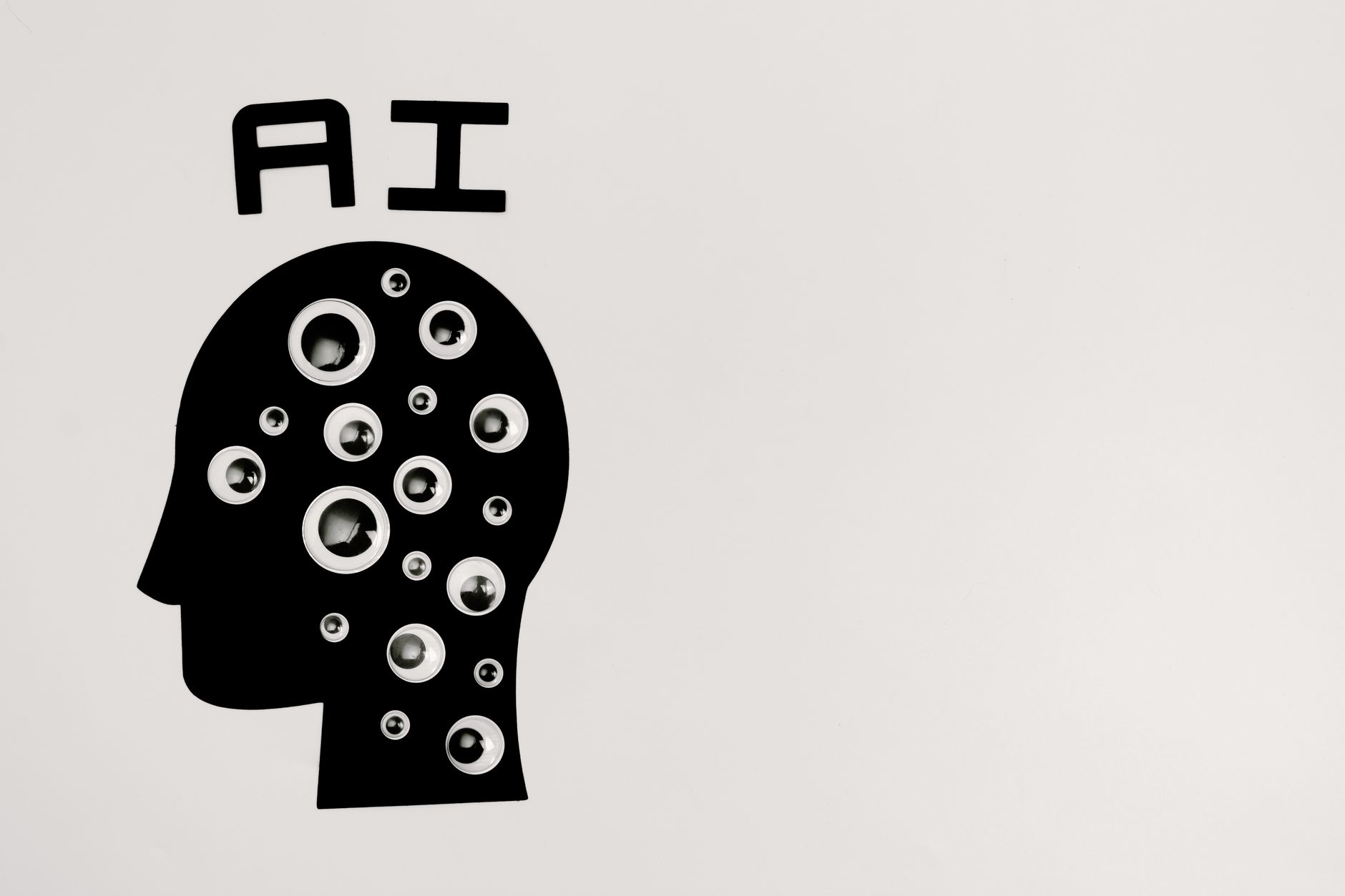
In the rapidly evolving landscape of artificial intelligence, AI voice technology stands at the forefront of innovation. From enhancing accessibility to revolutionizing content creation, the applications seem endless. However, with great power comes great responsibility. The ethics of AI voice technology is a pressing concern, particularly regarding consent, the rise of deepfakes, and the potential for audio abuse. As we navigate this complex terrain, it is crucial to establish guidelines that ensure the ethical use of these powerful tools, enabling creators, game developers, musicians, and businesses to harness AI voice technology responsibly.
UNDERSTANDING AI ETHICS IN VOICE TECHNOLOGY
AI ethics encompasses a broad range of considerations, but when it comes to voice technology, the conversation often centers on consent and the implications of misuse. Unlike text or images, our voices are deeply personal and tied to our identities. The use of AI-generated voices without consent can lead to significant ethical dilemmas. For instance, imagine a scenario where a person's voice is cloned for commercial purposes without their permission. This not only raises questions about privacy but also about the ownership of one’s voice. As creators and businesses explore AI voice platforms like Vocanel AI, it is essential to prioritize obtaining clear and informed consent from any individuals whose voices may be used in AI applications.
THE RISE OF DEEPFAKES AND AUDIO ABUSE
The advent of deepfake technology has brought about a new era of possibilities and threats in audio manipulation. Deepfake audio can convincingly mimic a person’s voice, creating realistic yet fabricated content. While this technology can be utilized for innovative storytelling in gaming and film, it also poses significant risks, such as misinformation and audio abuse. For instance, malicious actors could create fake audio clips of public figures to spread false narratives or defame individuals. This raises the urgency for robust regulations to mitigate potential harm and protect individuals from exploitation. As technology advances, so must our strategies for combating misuse, promoting transparency, and ensuring accountability in AI-generated content.
REGULATION AND RESPONSIBLE USE OF AI VOICE TECHNOLOGY
With the rapid development of AI voice capabilities, regulation becomes a crucial aspect of maintaining ethical standards. Governments and organizations must collaborate to create frameworks that address the ethical implications of AI voice technology. Such regulations should encompass guidelines for consent, usage rights, and accountability for misuse. By establishing clear protocols, we can foster an environment where creators can innovate without compromising ethical standards. For businesses, like those utilizing Vocanel AI for voice synthesis, adhering to ethical guidelines not only builds trust with users but also enhances brand reputation. Responsible use of AI voice technology can lead to creative breakthroughs while minimizing risks associated with audio manipulation.
THE FUTURE OF AUDIO IN THE AGE OF AI
Looking ahead, the future of audio created through AI voice technology is bright but laden with ethical considerations. As we continue to push the boundaries of what is possible, it is imperative to keep the conversation about AI ethics at the forefront. This includes ongoing discussions about consent, the regulation of deepfake technology, and the prevention of audio abuse. For creators, game developers, musicians, and businesses, embracing ethical practices will allow for the responsible growth of the industry. By engaging with AI voice technology in a conscientious manner, we can create a future where innovation flourishes alongside respect for individual rights. In this transformative age, let us champion ethics as we explore the full potential of AI voice technology.
In conclusion, the ethics of AI voice technology is not just a matter of compliance but a commitment to responsible innovation. As we navigate issues of consent, deepfakes, and audio abuse, it is crucial for all stakeholders to engage thoughtfully with these challenges. Platforms like Vocanel AI can play a pivotal role in fostering an ethical framework that empowers creators while safeguarding individual rights. By prioritizing ethics, we can ensure that the future of audio remains bright and beneficial for all.
UNDERSTANDING AI ETHICS IN VOICE TECHNOLOGY
AI ethics encompasses a broad range of considerations, but when it comes to voice technology, the conversation often centers on consent and the implications of misuse. Unlike text or images, our voices are deeply personal and tied to our identities. The use of AI-generated voices without consent can lead to significant ethical dilemmas. For instance, imagine a scenario where a person's voice is cloned for commercial purposes without their permission. This not only raises questions about privacy but also about the ownership of one’s voice. As creators and businesses explore AI voice platforms like Vocanel AI, it is essential to prioritize obtaining clear and informed consent from any individuals whose voices may be used in AI applications.
THE RISE OF DEEPFAKES AND AUDIO ABUSE
The advent of deepfake technology has brought about a new era of possibilities and threats in audio manipulation. Deepfake audio can convincingly mimic a person’s voice, creating realistic yet fabricated content. While this technology can be utilized for innovative storytelling in gaming and film, it also poses significant risks, such as misinformation and audio abuse. For instance, malicious actors could create fake audio clips of public figures to spread false narratives or defame individuals. This raises the urgency for robust regulations to mitigate potential harm and protect individuals from exploitation. As technology advances, so must our strategies for combating misuse, promoting transparency, and ensuring accountability in AI-generated content.
REGULATION AND RESPONSIBLE USE OF AI VOICE TECHNOLOGY
With the rapid development of AI voice capabilities, regulation becomes a crucial aspect of maintaining ethical standards. Governments and organizations must collaborate to create frameworks that address the ethical implications of AI voice technology. Such regulations should encompass guidelines for consent, usage rights, and accountability for misuse. By establishing clear protocols, we can foster an environment where creators can innovate without compromising ethical standards. For businesses, like those utilizing Vocanel AI for voice synthesis, adhering to ethical guidelines not only builds trust with users but also enhances brand reputation. Responsible use of AI voice technology can lead to creative breakthroughs while minimizing risks associated with audio manipulation.
THE FUTURE OF AUDIO IN THE AGE OF AI
Looking ahead, the future of audio created through AI voice technology is bright but laden with ethical considerations. As we continue to push the boundaries of what is possible, it is imperative to keep the conversation about AI ethics at the forefront. This includes ongoing discussions about consent, the regulation of deepfake technology, and the prevention of audio abuse. For creators, game developers, musicians, and businesses, embracing ethical practices will allow for the responsible growth of the industry. By engaging with AI voice technology in a conscientious manner, we can create a future where innovation flourishes alongside respect for individual rights. In this transformative age, let us champion ethics as we explore the full potential of AI voice technology.
In conclusion, the ethics of AI voice technology is not just a matter of compliance but a commitment to responsible innovation. As we navigate issues of consent, deepfakes, and audio abuse, it is crucial for all stakeholders to engage thoughtfully with these challenges. Platforms like Vocanel AI can play a pivotal role in fostering an ethical framework that empowers creators while safeguarding individual rights. By prioritizing ethics, we can ensure that the future of audio remains bright and beneficial for all.

Comments
No comments yet. Be the first to share your thoughts.
Leave a Comment
Sign in to leave a comment
Join the conversation — it only takes a second.